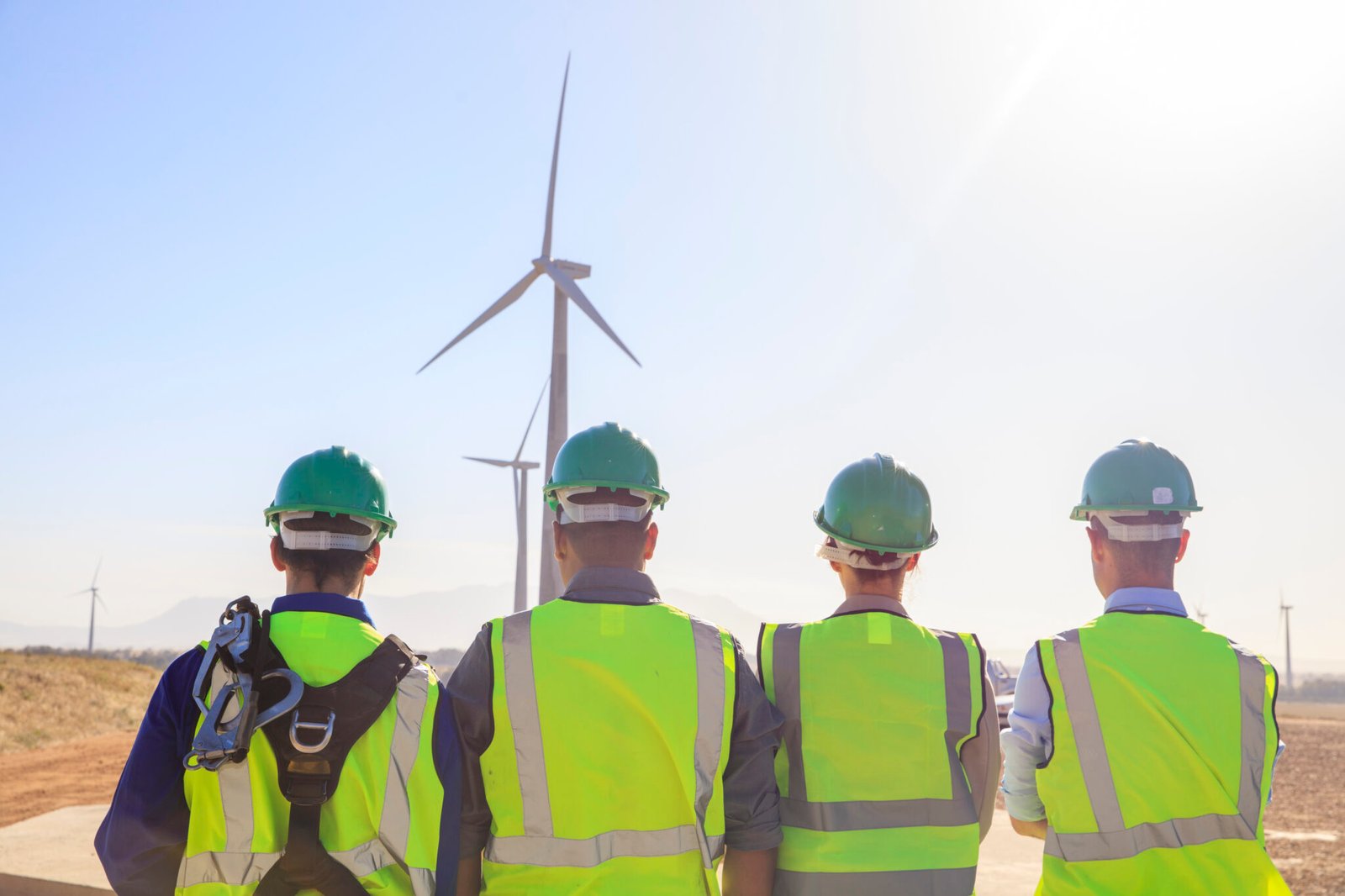

Wind energy is an important part of Pakistan’s renewable energy potential, particularly in regions with favorable wind resources. For utilities, project developers, and energy-sector investors, wind power can contribute to electricity generation while diversifying the energy mix.
However, successful wind projects require more than selecting a turbine. Wind resource assessment, site suitability, engineering, installation, commissioning, and long-term maintenance all influence the reliability and performance of a wind energy installation.
This guide explains the key considerations involved in developing and maintaining wind power projects in Pakistan.
Why Is Wind Energy Important for Pakistan?
Pakistan has areas with promising wind resources, including parts of the Sindh wind corridor. These locations create opportunities for utility-scale wind farms and other appropriately assessed wind applications.
Wind energy can support the energy sector in several ways:
- Diversified power generation: Add another renewable source alongside solar and other generation technologies.
- Reduced dependence on conventional fuels: Generate electricity from a renewable resource without ongoing fuel purchases.
- Large-scale electricity production: Utility-scale wind farms can supply substantial amounts of electricity when wind conditions are favorable.
- Long-term energy planning: Develop renewable generation assets around resource assessments and project economics.
- Sustainability objectives: Support efforts to reduce the operational carbon intensity of electricity generation.
Wind power output varies with wind speed, turbine characteristics, site conditions, and system availability. A proper feasibility assessment is essential before making investment decisions.
What Are the Main Types of Wind Turbine Applications?
1. Industrial and Utility-Scale Wind Turbines
Large onshore turbines are used in wind farms and substantial power-generation projects. These installations require detailed wind resource analysis, site engineering, grid integration, civil works, electrical infrastructure, and specialized commissioning.
Best for: Utilities, independent power producers, developers, and large energy projects.
2. Commercial and Small-Scale Wind Solutions
Smaller wind turbines may be suitable for selected commercial or industrial sites where wind conditions, available space, and project economics support their use.
Best for: Sites with verified wind resources and appropriate electrical and structural conditions.
3. Hybrid Solar and Wind Systems
In suitable locations, solar and wind generation can complement one another. The feasibility of combining them depends on seasonal resource patterns, load requirements, system controls, storage, and grid conditions.
Best for: Projects where resource diversity improves the overall energy-generation strategy.
What Should Be Evaluated Before Developing a Wind Project?
Wind projects require careful technical and commercial evaluation before equipment procurement or construction begins.
Important considerations include:
- Wind speed, direction, and seasonal variability
- Site accessibility and land requirements
- Turbine specifications and site suitability
- Foundation and civil engineering requirements
- Electrical infrastructure and grid integration
- Environmental and regulatory requirements
- Installation logistics and lifting arrangements
- Project financing and lifecycle costs
- Maintenance access and spare-parts planning
Wind resource measurements and energy-yield assessments should be conducted using appropriate methods for the project’s scale and development stage.
Understanding Wind Energy EPC Services
Engineering, Procurement, and Construction (EPC) services coordinate the technical and practical requirements of project delivery.
A wind project may involve:
Engineering: Site evaluation, technical design, electrical integration, and project planning.
Procurement: Equipment selection, supplier coordination, component specifications, and delivery planning.
Installation: Coordination of civil, mechanical, and electrical activities in accordance with project requirements.
Testing and commissioning: Verification of installed systems and confirmation that equipment is ready for operation.
Effective project coordination helps reduce execution risks and supports safe, organized delivery.
Why Are Wind Turbine O&M Services Important?
Wind turbines operate in demanding environmental conditions. Regular inspection and maintenance help identify developing faults, reduce avoidable downtime, and support long-term asset performance.
Wind turbine Operations and Maintenance (O&M) may include:
- Scheduled preventive maintenance
- Electrical and mechanical inspections
- Turbine fault diagnosis and troubleshooting
- Control-system and SCADA checks
- Component condition assessments
- Technical reporting and maintenance planning
- Coordination of corrective maintenance
Maintenance strategies should reflect turbine manufacturer requirements, operating conditions, asset history, and site-specific risks.
The Importance of Wind Turbine Blade Inspections
Wind turbine blades are exposed to wind loading, weather, erosion, and other environmental stresses. Over time, these conditions can contribute to surface damage and defects.
Drone-based blade inspections can provide detailed visual information while reducing the need for personnel to access difficult-to-reach areas using conventional methods.
Depending on the inspection scope, the process may help identify:
- Surface erosion and coating damage
- Cracks and visible surface defects
- Lightning-related damage
- Leading-edge deterioration
- Areas requiring further technical assessment
Inspection findings can help asset owners prioritize maintenance and plan appropriate corrective action. Drone imagery supports visual assessment but does not replace specialized testing where deeper structural evaluation is required.
How Lejion Energy Supports Wind Energy Projects
Lejion Energy provides wind energy services focused on engineering, project execution, inspection, and asset support.
Our capabilities include onshore wind solutions, EPC coordination, inspection and commissioning activities, drone-based blade inspections, and technical services that support operational reliability.
Our project experience includes drone-based WTG blade inspections for Albario Engineering Pvt Ltd at the Master Wind Project (49.5MW), carried out during January–February 2025.
We aim to support project owners and developers with practical engineering solutions aligned with site conditions, technical requirements, and long-term asset objectives.
Frequently Asked Questions
Where are the main opportunities for wind energy in Pakistan?
Parts of Sindh, including the Jhimpir and Gharo wind corridors, are associated with wind power development. Individual projects still require detailed resource measurements, site evaluation, and feasibility studies.
What is included in wind turbine EPC?
Wind EPC can include engineering design, procurement, civil and electrical coordination, turbine installation, testing, and commissioning. The precise scope depends on the project contract and delivery model.
How often should wind turbine blades be inspected?
Inspection frequency depends on manufacturer guidance, operating conditions, asset history, and risk assessments. Scheduled inspections and additional assessments after significant events can help identify potential defects.
Can drones inspect wind turbine blades?
Yes. Drone inspections can capture detailed visual imagery of blade surfaces and help identify visible damage. Specialized inspection methods may still be necessary for defects that cannot be confirmed visually.
Planning a Wind Energy Project?
From wind turbine inspection to project execution and ongoing asset support, Lejion Energy helps clients address the technical requirements of renewable energy infrastructure.
CTA: Discuss Your Wind Energy Project