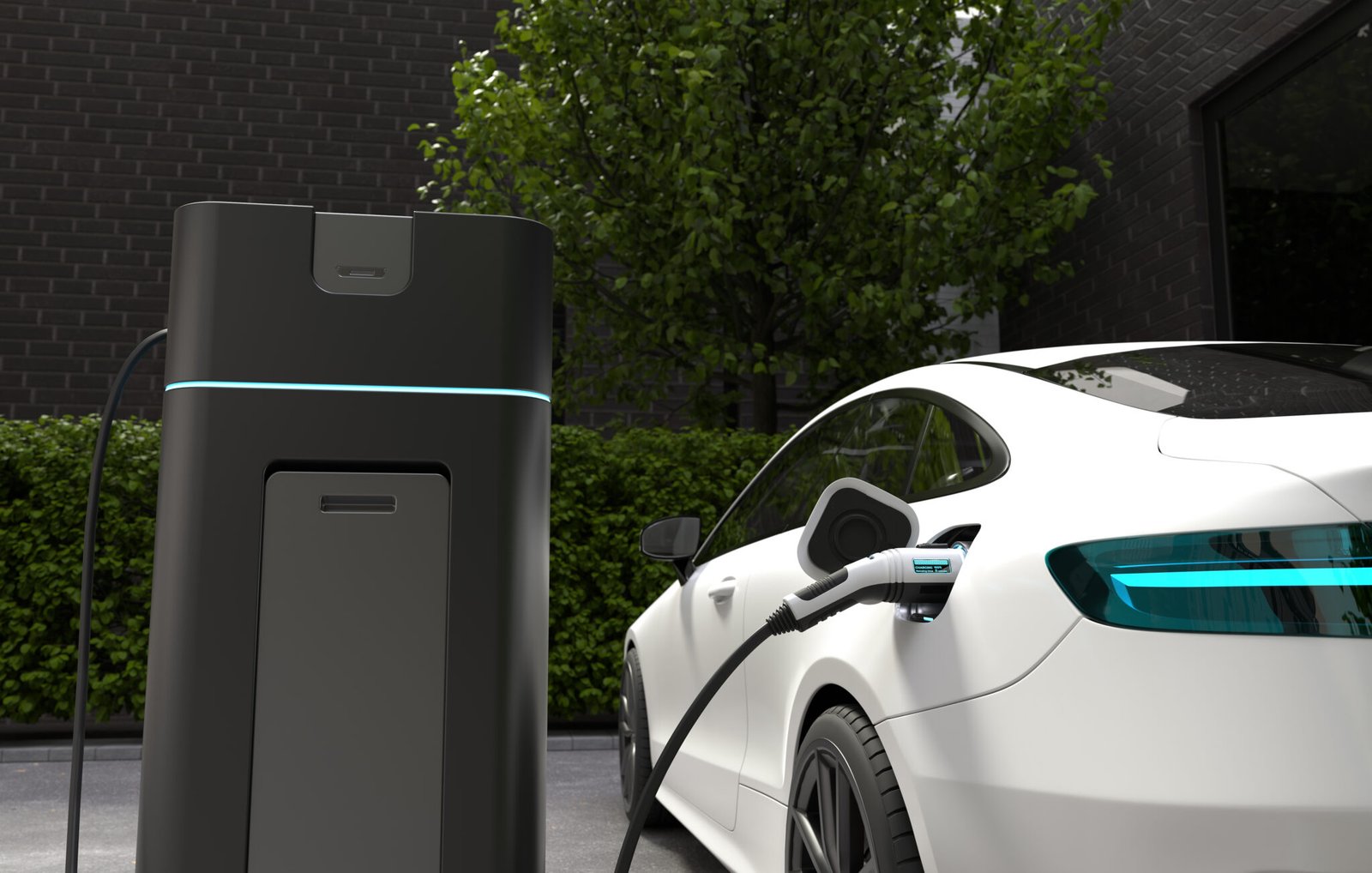

Electric mobility is creating new opportunities for Pakistan’s automotive, commercial property, transportation, and energy sectors. As electric vehicles become more visible on Pakistani roads, reliable charging infrastructure will be increasingly important for private users, businesses, fleet operators, and public charging networks.
For organizations considering EV charging, the challenge is not simply installing a charger. Successful deployment requires appropriate equipment selection, electrical capacity assessment, site planning, safety measures, installation, commissioning, and a strategy for future expansion.
This guide explains the key considerations for developing EV charging infrastructure in Pakistan.
Why Is EV Charging Infrastructure Important?
The availability of dependable charging facilities influences how conveniently electric vehicles can be used. Businesses that plan charging infrastructure early can prepare their properties and operations for changing transportation requirements.
EV charging infrastructure can create opportunities for:
- Commercial properties: Offices, shopping centres, hotels, and other destinations can offer charging facilities to visitors and employees.
- Fleet electrification: Businesses can plan charging around vehicle schedules, routes, and daily energy requirements.
- Public charging networks: Investors and operators can explore charging locations along busy routes and in urban centres.
- Residential developments: Housing projects and apartment buildings can prepare suitable electrical infrastructure for EV owners.
- Energy integration: Solar PV and battery storage can be assessed alongside charging systems where technically and commercially suitable.
The viability of each opportunity depends on vehicle demand, electricity tariffs, site costs, utilization, and the operational model.
What Types of EV Chargers Are Available?
Choosing the right charger depends on how long vehicles remain parked, how much energy they require, and the electrical capacity available at the site.
1. AC EV Chargers
AC chargers are commonly suited to locations where vehicles remain parked for extended periods. The vehicle’s onboard charger converts the supplied AC power into the DC power required by its battery.
Typical applications include:
- Homes and residential developments
- Offices and workplaces
- Hotels and destination charging
- Commercial parking facilities
A 7 kW AC charger is one example of a residential or destination-charging configuration. The appropriate rating depends on the vehicle, supply capacity, and installation requirements.
2. DC Fast Chargers
DC chargers supply direct current to the vehicle’s battery through compatible charging equipment. They can deliver higher charging power than many AC chargers, subject to vehicle compatibility and operating conditions.
Typical applications include:
- Public charging stations
- Highway charging locations
- Commercial fleet depots
- Automotive dealerships
- High-turnover parking and service facilities
A DC charger’s rated power does not guarantee that every vehicle will charge at that rate. Actual charging speed depends on the vehicle’s charging capability, battery condition, state of charge, temperature, and available site power.
How Do You Choose the Right EV Charger for Your Business?
Before purchasing equipment, assess the intended use of the charging location.
Step 1: Understand Charging Demand
Estimate the number of vehicles, daily arrivals, parking duration, energy required per vehicle, and expected growth in demand.
Step 2: Assess Electrical Capacity
Review the available grid connection, transformer capacity, distribution equipment, protection systems, and potential demand peaks.
Multiple chargers operating simultaneously can create substantial electrical loads. Load management may help distribute available capacity more effectively.
Step 3: Select the Appropriate Charger
Choose between AC and DC charging based on dwell time, vehicle compatibility, expected utilization, budget, and operational requirements.
Connector standards and communication features should also be verified for the vehicles and charging network involved.
Step 4: Plan the Site Layout
Consider parking geometry, cable reach, vehicle movement, accessibility, weather protection, signage, safety clearances, and future charger expansion.
Step 5: Plan Installation and Commissioning
Professional installation should include appropriate electrical protection, earthing, testing, equipment configuration, and commissioning checks in accordance with applicable requirements.
Can Solar Energy Be Integrated with EV Charging?
Yes. Solar PV can be integrated with EV charging infrastructure to supply some of the electricity required for vehicle charging during periods of solar generation.
Depending on the site’s operating profile, a project may also assess battery storage, energy management, and load-control systems.
For example, a commercial facility with rooftop solar and workplace chargers may prioritize available solar generation for charging vehicles during business hours.
However, the benefits depend on the timing of solar production and charging demand, system capacity, storage requirements, and electricity tariffs. A technical and financial assessment should determine whether integration is worthwhile.
What Should Businesses Consider Before Investing?
A charging station should be planned as an operating business or facility asset, not just an equipment purchase.
Important considerations include:
- Charger procurement and installation costs
- Electrical infrastructure upgrades
- Grid connection requirements
- Expected daily charging sessions
- Electricity tariffs and charging prices
- Payment and access management
- Software, connectivity, and monitoring
- Preventive maintenance and technical support
- Equipment warranties and spare parts
- Expansion opportunities as demand grows
For public charging businesses, utilization is particularly important. A financially viable location needs sufficient charging demand to cover electricity, infrastructure, operating, and maintenance costs.
Why Professional EV Charger Installation Matters
Incorrect equipment selection or inadequate electrical planning can lead to compatibility problems, unnecessary infrastructure costs, or unreliable operation.
A professionally managed installation should cover:
- Site assessment and electrical load estimation
- Charger specification and procurement
- Supply and delivery coordination
- Installation and electrical integration
- Testing and commissioning
- Operational documentation
- Maintenance planning and technical support
The final scope should reflect the project’s requirements and applicable electrical safety and regulatory standards.
How Lejion Energy Supports EV Charging Projects
Lejion Energy provides EV charging infrastructure solutions for residential, commercial, fleet, and public charging applications.
Our services cover design estimation, charger procurement, delivery, installation, and commissioning. We support both AC and DC charging requirements, with solutions tailored to site conditions, electrical capacity, vehicle compatibility, and intended usage.
For projects exploring a combination of renewable energy and electric mobility, we can also assess how solar PV and battery storage may fit into the wider energy system.
Whether you are preparing a commercial property, electrifying a fleet, or evaluating a public charging location, our focus is on practical infrastructure planning and reliable project delivery.
Frequently Asked Questions
How much does it cost to install an EV charger in Pakistan?
The cost depends on charger type and power rating, equipment specifications, electrical infrastructure, installation complexity, grid upgrades, and software requirements. A site assessment is the best way to establish an accurate project estimate.
Should I install an AC or DC charger?
AC charging is generally suitable when vehicles remain parked for several hours. DC charging is better suited to applications requiring faster turnaround, provided the vehicles and electrical infrastructure support it.
Can multiple EV chargers operate at the same location?
Yes. Multiple chargers can be installed where the electrical infrastructure and site design support them. Load management can help coordinate charging demand and avoid unnecessary capacity upgrades.
Can an EV charging station run on solar power?
Solar PV can supply electricity for EV charging when generation is available. Grid connectivity or battery storage may be needed depending on operating hours, charging demand, and backup requirements.
Build Your EV Charging Infrastructure with Lejion Energy
The right charging solution begins with a clear understanding of your vehicles, site, electrical capacity, and business objectives.
Lejion Energy can help you evaluate charger options and plan an installation aligned with your operational requirements.
CTA: Request an EV Charging Consultation